


Description
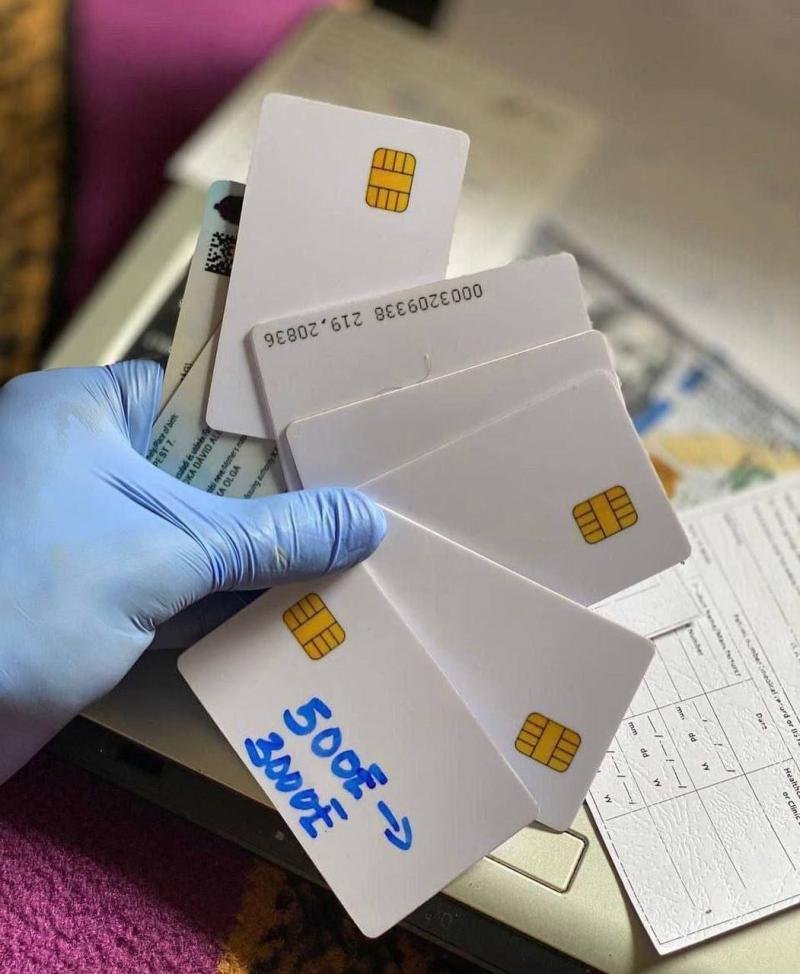
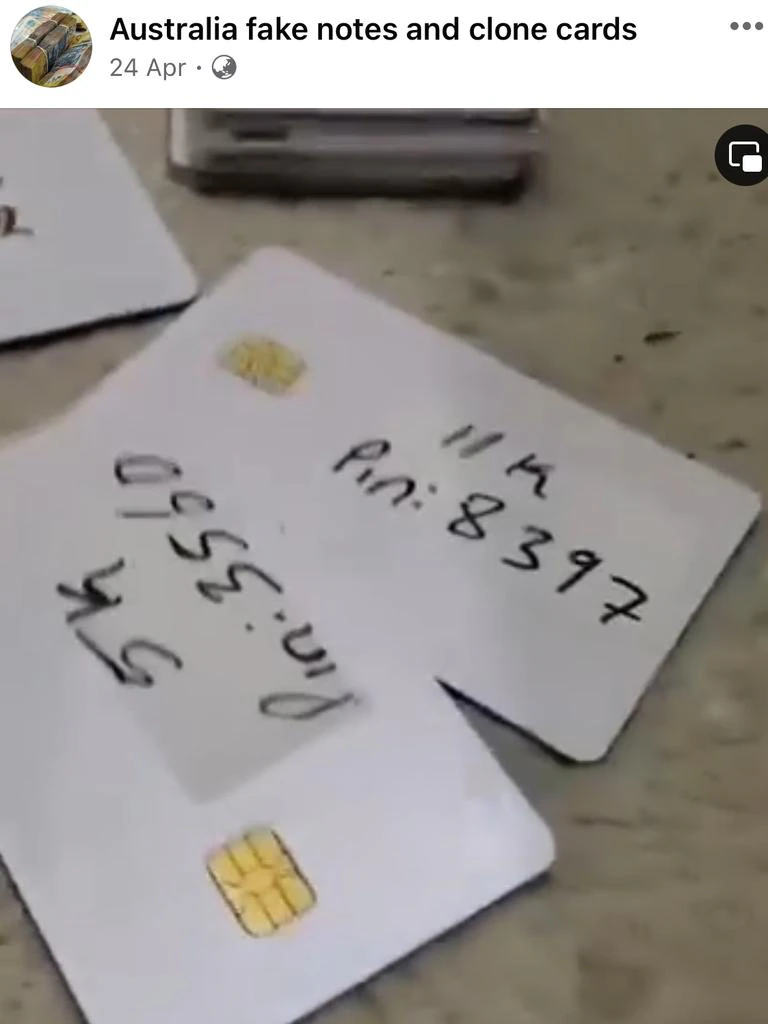
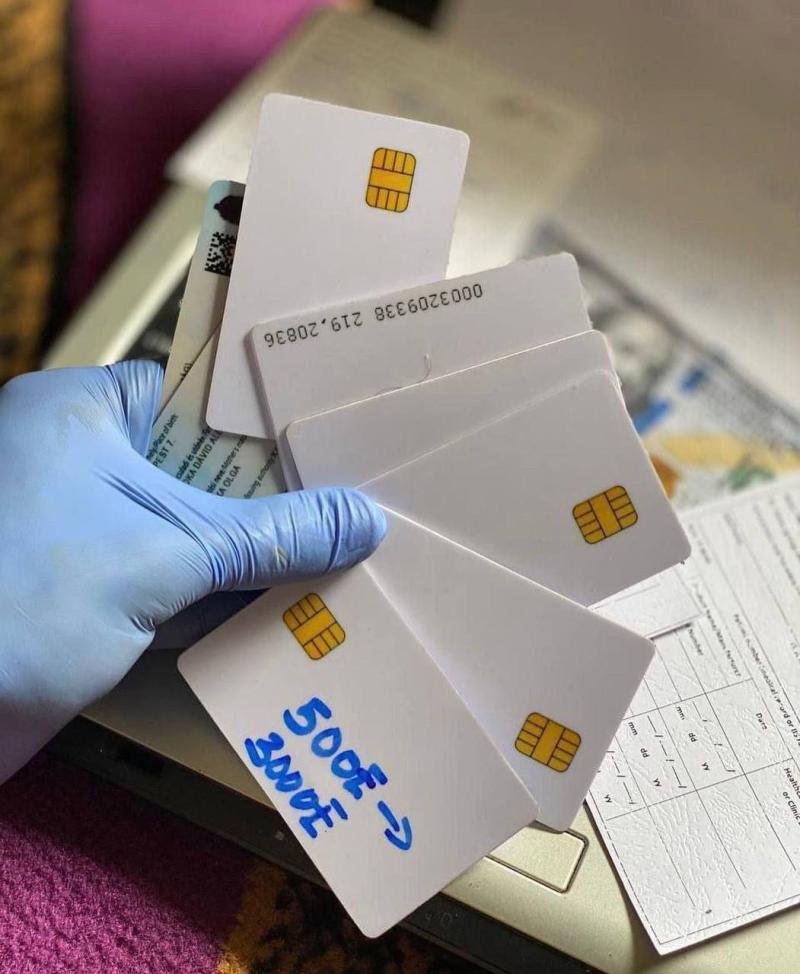
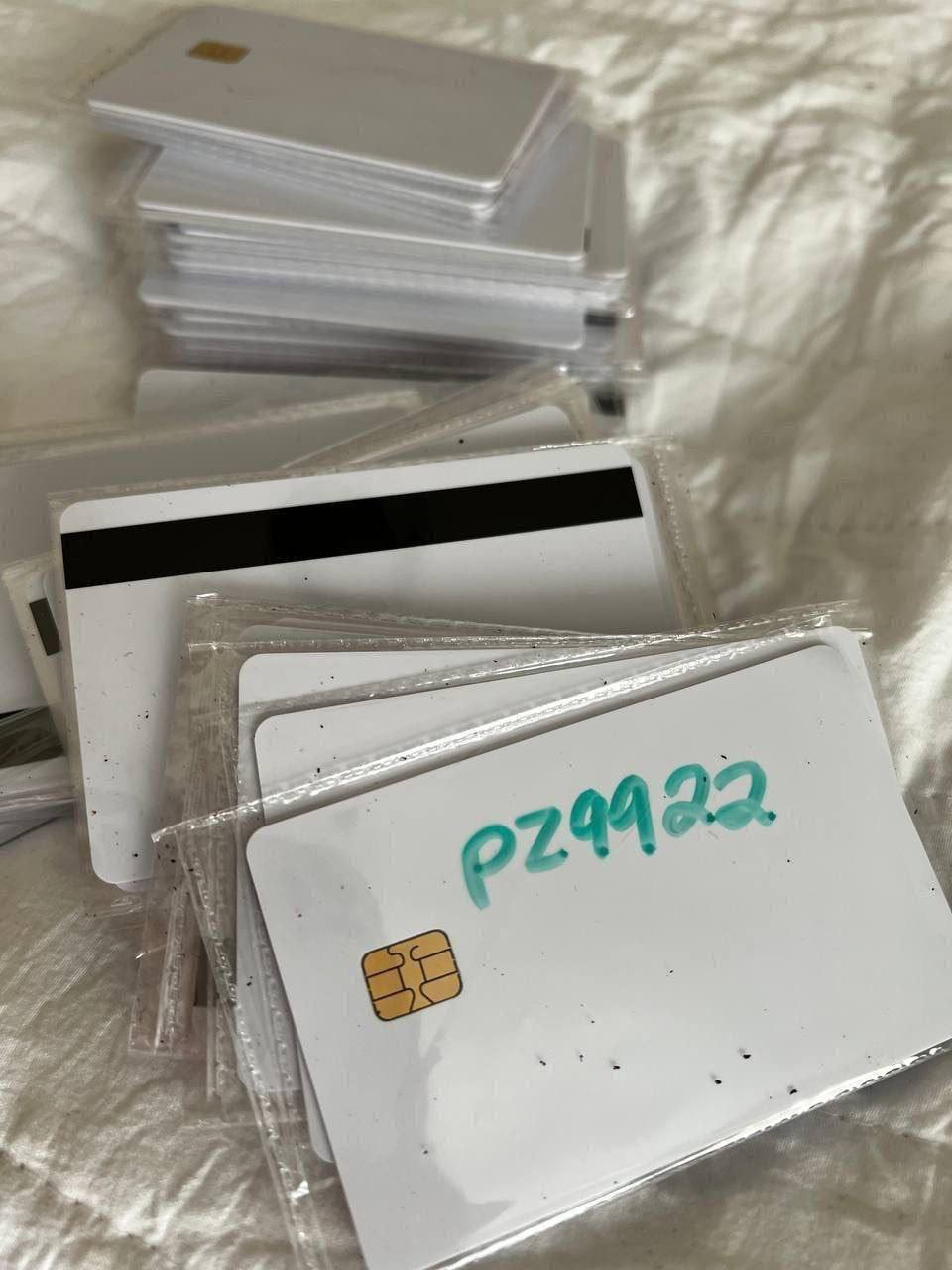
clone cards with $3k balance, fast other, fast delivery ,easy pin code
https://darkworldmarketplace.link/product/clone-cards-11k-balance-with-pin/
https://darkworldmarketplace.link/product/clone-cards-with…ailable-with-pin/
https://darkexplorer.link/product/clone-cards-3k-balance-available/
clone cards with high balance, fast cash out, easy to use pin . make your deposit now and receive your card, enjoy our service and order for more.
$3k balance
other available cards with balance, contact seller if you need a different high card balance
$5k balnace
$7k balance
$11k balance
$15k balnace
https://darkworldmarketplace.link/product/clone-cards-3k-b…ce-pin-available/
Clone Cards – Detailed Description
Clone cards are unauthorized, counterfeit copies of legitimate credit or debit cards that are created for fraudulent purposes. These cloned cards are used to illegally access a victim’s bank account or credit line, making them a significant concern in the world of financial security and fraud prevention.
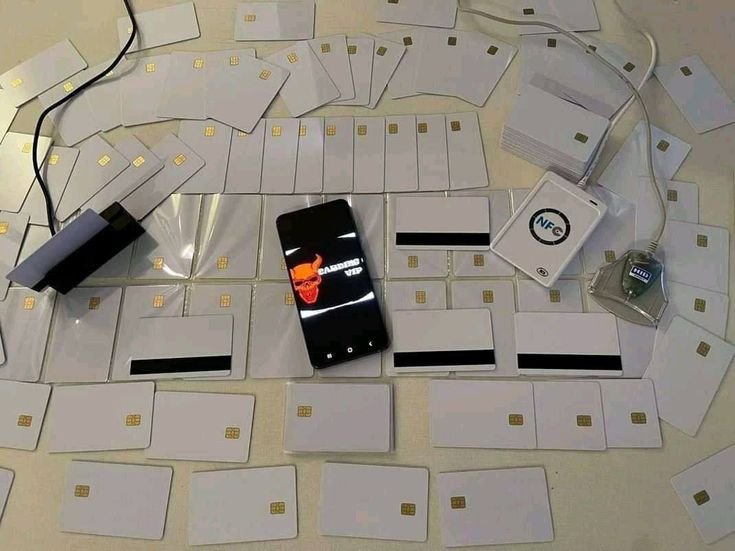
Cloning typically involves copying the data from a genuine card’s magnetic stripe or chip and transferring it onto a blank card or one with a similar format. The fraudulent card then becomes a functional duplicate that can be used to make purchases or withdraw funds from the victim’s account.
How Clone Cards are Created
-
Data Skimming: The first step in creating a clone card is obtaining the information from the victim’s card. This is usually done through skimming devices placed on legitimate point-of-sale (POS) terminals, ATMs, or other card readers. Skimming devices are small, inconspicuous gadgets that capture the card’s magnetic stripe data without the cardholder’s knowledge.
-
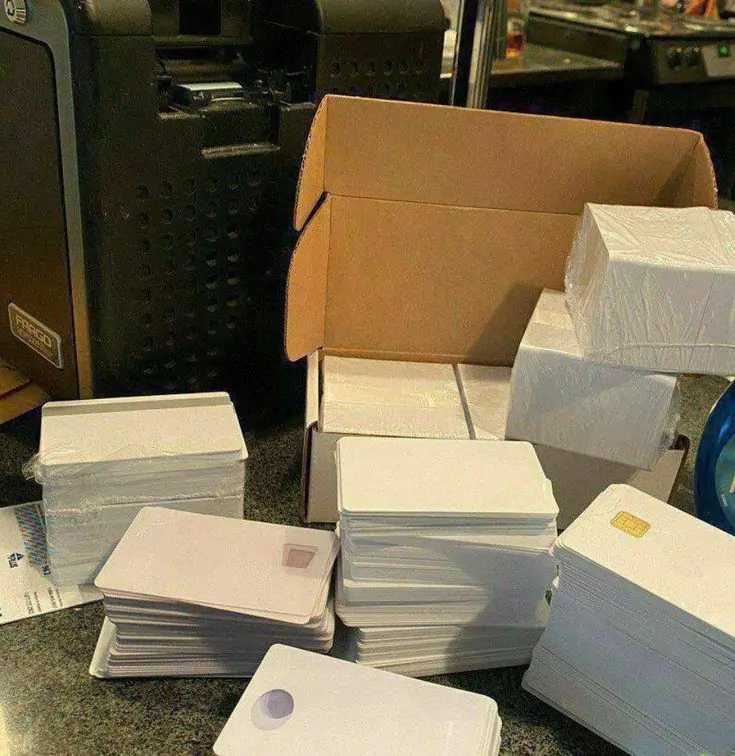
Card Duplication: Once the data is acquired, the criminal uses it to produce a cloned card. A blank card, usually a cheap replica of a legitimate card, is programmed with the stolen data, including:
-
Card Number
-
Expiration Date
-
Cardholder Name
-
Security Code (CVV/CVC)
-
Magnetic Stripe Data
In some cases, advanced criminals may even replicate the card’s EMV chip, although this requires more sophisticated technology.
-
-
Using the Cloned Card: After the clone card is created, it can be used in the same way as a legitimate card. Criminals typically use it for:
-
In-store purchases: Especially where a physical card is required, such as retail stores.
-
Online shopping: When the card data is obtained, it can be used to make fraudulent purchases.
-
ATM Withdrawals: Some criminals may attempt to withdraw cash using a cloned card if they also have access to the PIN.
-
Risks and Consequences of Card Cloning
-
Financial Loss: Victims of card cloning can experience significant financial losses if their cards are used for unauthorized transactions. This may include stolen funds from their bank accounts, credit card limits, or even unauthorized access to their digital wallets.
-
Identity Theft: In some cases, card cloning may be part of a larger identity theft scheme. Criminals may use the stolen data to apply for new credit accounts or conduct other forms of identity fraud.
-
Emotional Stress: Discovering that one’s card has been cloned can be stressful and frustrating. Victims may have to deal with the process of reporting the fraud, disputing charges, and re-establishing financial security.
-
Legal Consequences: Card cloning is illegal and classified as a form of credit card fraud or identity theft. If a person is caught cloning cards, they could face severe criminal penalties, including fines and imprisonment.
How to Protect Yourself from Card Cloning
-
Use Chip Cards: EMV (Europay, MasterCard, and Visa) chip cards are much harder to clone than magnetic stripe cards. If possible, opt for cards with an EMV chip and always use the chip for in-person transactions instead of swiping.
-
Monitor Your Accounts: Regularly check your bank and credit card statements for any unauthorized transactions. Many banks offer real-time alerts for transactions, which can help you catch fraudulent activity early.
-
Avoid Using ATMs or POS Terminals in Unsecure Locations: Be cautious of skimming devices placed on ATMs, gas station pumps, or POS terminals. If a machine looks tampered with or unusual, avoid using it and report it to the store or bank.
-
Enable Multi-Factor Authentication: For online transactions, enable multi-factor authentication (MFA) to add an extra layer of security. This could include a one-time password (OTP) or a biometric verification.
-
Use Virtual Cards for Online Purchases: Many banks and financial institutions now offer virtual credit cards that generate temporary card numbers for online transactions. These are not tied to your actual physical card, making them harder to clone.
-
Notify Your Bank Immediately: If you suspect that your card has been cloned or compromised, contact your bank or card issuer immediately. They can freeze the account, issue a new card, and investigate the fraud.
Common Methods of Card Cloning
-
Skimming: As mentioned, this is the most common method of cloning, where a skimming device secretly collects card information from legitimate POS terminals or ATMs.
-
Data Breaches: Hackers may steal large amounts of credit card data through security breaches at large retailers, financial institutions, or payment processors. Once the data is leaked, it can be used to create cloned cards.
-
Phishing: In some cases, criminals use phishing attacks to trick cardholders into revealing their card details. This could be done through fake emails, phone calls, or websites that look like legitimate banking sites.
-
Card Not Present (CNP) Fraud: This occurs when criminals use stolen card details for online transactions, where the physical card isn’t required, such as e-commerce sites.