


Description
MDMA
https://darkworldmarketplace.link/product/🧠-mdma-34-methyl…ymethamphetamine/ 🧠 MDMA (3,4-Methylenedioxymethamphetamine)
🧠 MDMA (3,4-Methylenedioxymethamphetamine)
🔬 Chemical Profile:
Full name: 3,4-methylenedioxymethamphetamine
Class: Empathogen–entactogen (also a stimulant and mild hallucinogen)
Chemical family: Substituted amphetamines (a derivative of methamphetamine)
Molecular formula: C₁₁H₁₅NO₂
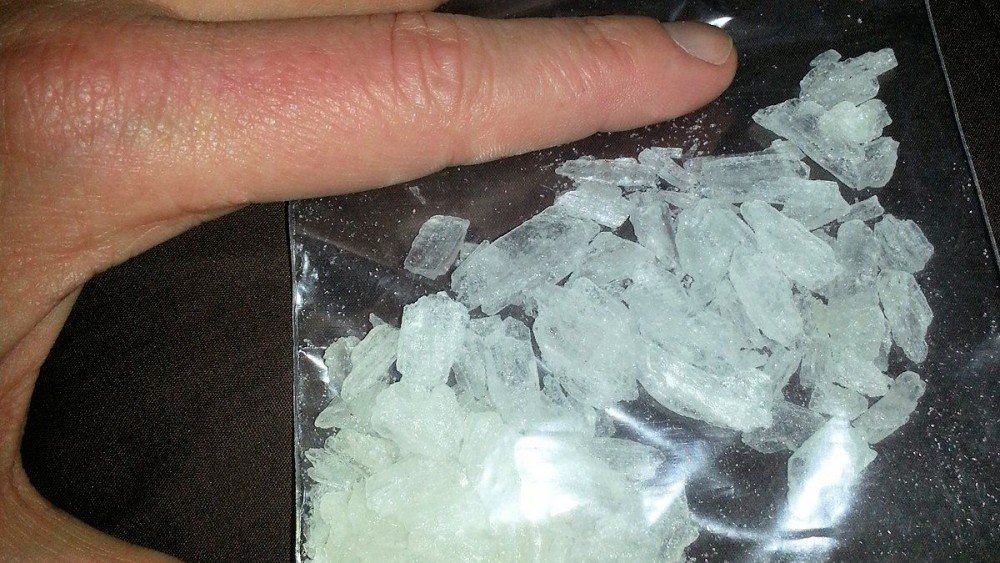
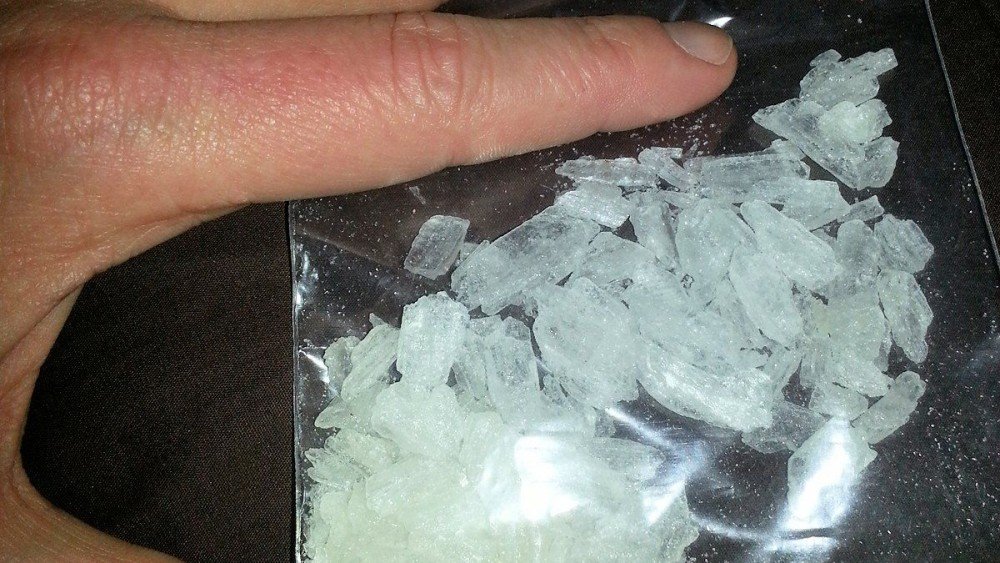
Typical form: Crystalline powder or pressed into tablets
Street names: Ecstasy, Molly, Mandy, X, E, Rolls
🎯 Effects (Acute)
Positive Neutral or Negative
Euphoria Jaw clenching / bruxism
Empathy and emotional warmth Dilated pupils
Increased sociability Sweating and dehydration
Enhanced sensory perception (esp. touch) Increased heart rate and blood pressure
Stimulation and increased energy Anxiety or confusion (especially comedown)
Lowered fear and inhibition Risk of overheating (hyperthermia)
Onset: 30–60 minutes (oral)
Duration: 3–6 hours
MDMA (3,4-methylenedioxymethamphetamine), commonly known as ecstasy or Molly, is a synthetic drug that primarily affects serotonin, dopamine, and norepinephrine in the brain. It’s known for its stimulating effects, mood enhancement, and feelings of emotional closeness, empathy, and euphoria.
Here are some key points about MDMA:
Effects
-
Positive effects: Users typically report increased feelings of happiness, connection with others, energy, and sensory enhancement (e.g., heightened appreciation for music).
-
Negative effects: It can also cause anxiety, paranoia, confusion, jaw clenching, dehydration, and increased heart rate.
-
Aftereffects: The comedown can be harsh, often leading to fatigue, sadness, and sometimes irritability, due to the depletion of serotonin levels.
Risks
-
Overheating (hyperthermia): This is a significant risk, particularly in settings like raves or dance parties where people are active for long periods without enough hydration.
-
Dehydration: MDMA can lead to dehydration due to increased physical activity and sweating, which may lead to dangerous electrolyte imbalances.
-
Neurotoxicity: Chronic or heavy use of MDMA may have long-term effects on serotonin-producing neurons, potentially affecting mood regulation.
-
Adulterants: MDMA is sometimes cut with other substances, which can increase risks associated with its use.
Medical Use
-
There is ongoing research into MDMA’s potential therapeutic uses, particularly for post-traumatic stress disorder (PTSD) and anxiety in terminally ill patients. In clinical settings, MDMA is administered in controlled doses under professional supervision.
What specific aspect of MDMA are you curious about?
After-effects: Can include a “comedown” lasting 1–2 days (fatigue, low mood)
https://darkworldmarketplace.link/product/🧠-mdma-34-methyl…ymethamphetamine/