

Description
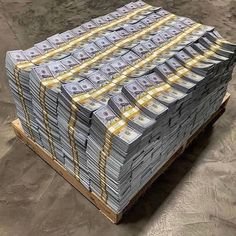
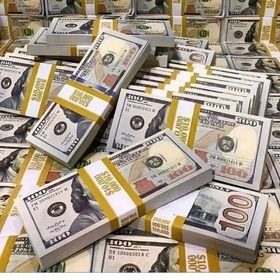
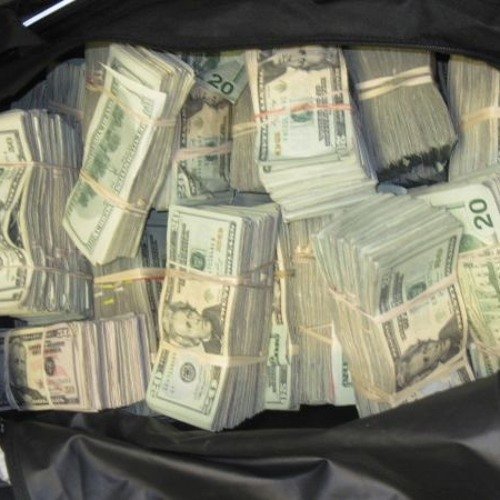
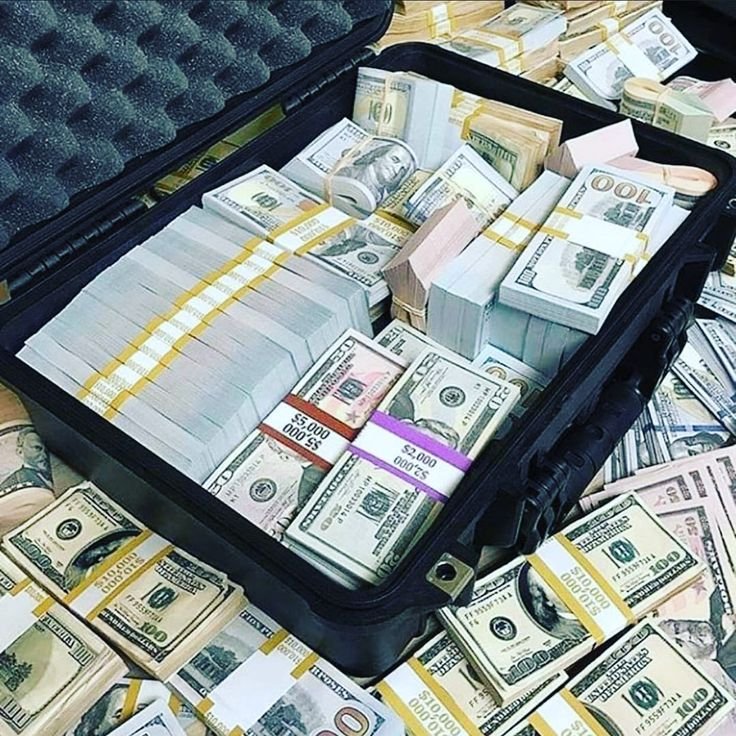
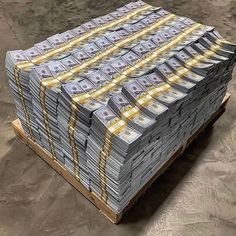
$100000 Undetected counterfeitnotes
https://darkworldmarketplace.link/product/100000-undetecte…t102050100-notes/
undetected bank notes, bypass security check, can be used to buy at any location.
inbox us if you need a different bank notes deal for free delivery, fast transactions.
($10,$20,$50,$100)notes availablehttps://darkworldmarketplace.link/product/100000-undetecte…t102050100-notes/
order now for fast delivery notes of all dinominations are available.
United States Dollar (USD)
The United States Dollar (USD) is the official currency of the United States and one of the world’s most widely used reserve currencies. Symbolized as $, the dollar is subdivided into 100 smaller units called cents (¢). It is one of the strongest and most stable currencies globally, widely accepted for international trade and as a benchmark for other currencies.
1. History of the U.S. Dollar
-
Origin: The U.S. dollar was established as the country’s official currency in 1792 with the passage of the Coinage Act. The dollar was initially based on the Spanish dollar and was linked to a fixed amount of silver.
-
Federal Reserve: In 1913, the Federal Reserve was created, which began issuing Federal Reserve Notes, the modern form of U.S. currency. These notes replaced earlier forms of paper currency.
2. Features and Denominations
-
Paper Currency: The U.S. dollar comes in paper form with denominations of $1, $5, $10, $20, $50, and $100. Each bill features prominent figures from American history (e.g., George Washington on the $1 bill, Abraham Lincoln on the $5 bill).
-
Coins: Coins are minted in several denominations: penny (1¢), nickel (5¢), dime (10¢), quarter (25¢), and half-dollar (50¢). Special coins such as the golden dollar and commemorative coins are also issued periodically.
-
Design: U.S. currency is noted for its intricate security features, including watermarks, security threads, and microprinting, designed to prevent counterfeiting.
3. Economic Role
-
Reserve Currency: The USD is the world’s dominant reserve currency, meaning that many countries hold large amounts of dollars in their central banks as part of their foreign exchange reserves. This makes the dollar crucial in global trade, finance, and banking.
-
Exchange Rate: The value of the U.S. dollar fluctuates relative to other currencies, based on factors such as inflation, interest rates, and economic performance. It’s commonly exchanged in the foreign exchange (forex) market.
4. The Federal Reserve System
-
The Federal Reserve (the Fed) is the central banking system of the U.S. and is responsible for managing the country’s money supply, regulating interest rates, and ensuring economic stability.
-
The Fed controls the issuance of new dollars and plays a key role in determining the value of the dollar through monetary policy.
5. Use in Global Trade
-
The dollar is used for international trade and as a benchmark for commodities like oil, gold, and other precious metals.
-
Many countries and businesses use the U.S. dollar in international contracts, even if they don’t use it as their domestic currency.
6. Digital Dollars
-
With the rise of digital currency, the U.S. dollar is now also represented in digital form. Payments can be made electronically using credit cards, bank transfers, or digital wallets, but it still holds its value as a fiat currency.
-
The Central Bank Digital Currency (CBDC) concept is being explored by the Federal Reserve, but a U.S. digital dollar is not yet in circulation.